- 200HR Yoga Teacher Training
- Barbershop Meditations Book
- Blog
- Yoga Teachers Guide to AI Course
- Black Men's MBSP's Research
- Self Discovery Daily
- Healthy Gummies
- Heal Noir
- Yoga and Black Healing
- 300HR YTT
- A Healing Journal for Black Men
- School of Yoga Visuals
- Reparations and Wholeness
- Ori Yoga
- 2026 Yearly Planner
- Personal Year of Practice
- 200HRYTT ATL
- Our Trainings
- 200HRYTT-STL
- 200HRYTT-Oakland
- Black Boys OM Book Club
- Foundations of Yoga Teacher Training
- Services
- About
How Physically Demanding is Yoga Teacher Training?


Yoga teacher trainings are often physically demanding. The modern yoga postures that many practitioners are familiar with today are largely products of a 20th-century evolution of yoga practice. Many contemporary forms of postural yoga emerged as Indian yoga modernizers blended traditional Hatha Yoga āsanas with European and North American physical culture, including gymnastics, calisthenics, and bodybuilding practices. During this era, Yogic lineage holders and teachers coming to the West were adapting and presenting certain practices within the context of a rapidly changing global fitness culture, particularly the physically rigorous fitness movements that developed in Europe and later influenced Western approaches to exercise and embodiment.
Tirumalai Krishnamacharya’s work in 1930s Mysore exemplifies this evolution. Under the patronage of the Maharaja of Mysore, who was deeply influenced by the physical culture movements of the era, Krishnamacharya developed a dynamic, vinyāsa-based āsana system that incorporated traditional Haṭha Yoga postures alongside indigenous wrestling exercises, such as daṇḍs and baiṭhaks, and elements of modern Western gymnastics. This synthesis created a rigorous physical training method that would go on to influence and shape much of the postural yoga practiced throughout the world today.
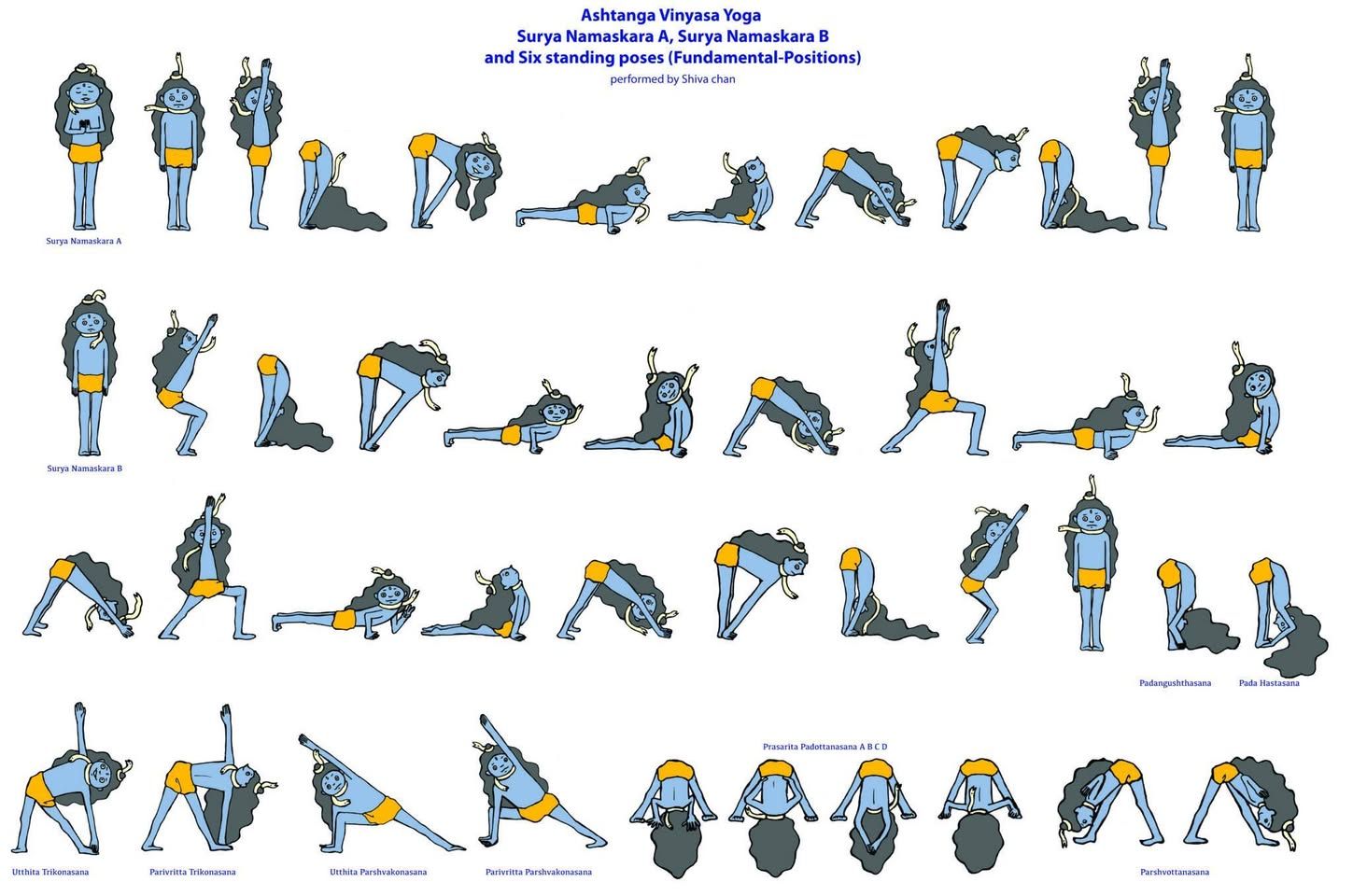
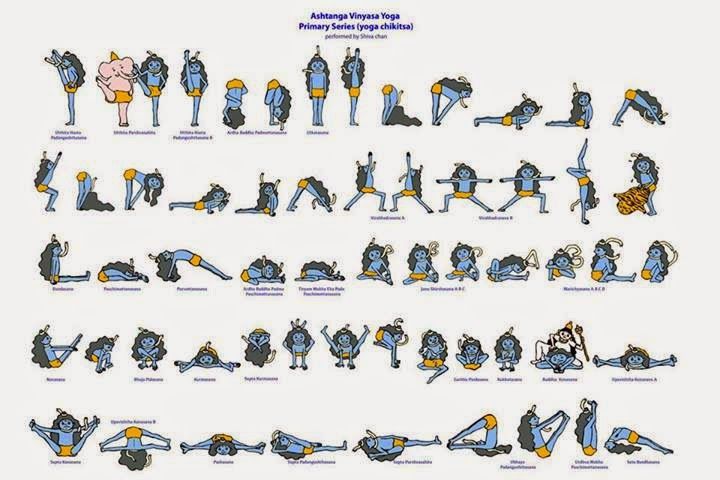
Shiva Demonstrates Primary Series Asanas by Sayaka Yamamoto
Here is a quote from Roots of Yoga by Mark Singleton:
Krishnamacharya’s distinctive style of yoga practice is not as unique as one might assume but is a powerful synthesis of Western and Indian modes of physical culture, contextualized within ‘traditional’ haṭha yoga.
— Singleton, Mark. Yoga Body: The Origins of Modern Posture Practice. New York: Oxford University Press, 2010, p. 175
Many yoga teacher trainings take after the rigorousness of these influenced Western approaches to embodiment exercises.
What this looks like in a yoga teacher training may involve several hours of the 200HR training being dedicated to repetitions in sequencing, group practice, peer-to-peer teaching, and intense embodied experiences with a myriad of postures; each with its own expression, function, history, mythos, and application within the larger choreography of the practice. Through rigorous application, students learn to embody and understand these postures so that they can eventually articulate their own sequences during their practicum, evaluation, graduation, and later as teachers in the world.
This equates to a lot of mental, energetic, and physical demand on the body-mind.
Body-mind is used here because in Yoga, the mind and body are not two things but one. Yoga allows for the felt sense of that oneness through various moments of integration through the practice of presence to embodiment.
An example of how this plays out practically in certain trainings might mean morning, afternoon, and evening asana practices for those trainings that involve living at an ashram and/or retreat center for a period of time.
For trainings that are centralized to a yoga studio, it may look like evening practices during the work week and/or weekend-long intensives where the muscle memory and ingestion of asana practice are packed into students’ time together.
My very first yoga teacher training was grounded in Power Vinyasa at a major national franchise yoga studio, and for months during the week and weekends we packed these practices in and even when months of this training had ended I still had to complete 60 independent yoga classes at that same yoga studio to receive my certification.
I’ve since taken other training sessions that had different (and in my opinion more preferable) approaches. My aim here is to acknowledge the very real reality that many yoga teacher training sessions are physically demanding and that potential students should take this into account when assessing their capacity for taking a YTT.
It is common to be warned ahead of the beginning of the physical demand, as students are often encouraged to get proper rest, nourishment, and hydration in preparation for the overactive expectation.
Ironically, the word Asana means seat and many of the postures, as evidenced by the 15th Century sacred text the Hatha Yoga Pradipka, contain a number of seated postures.
The seat here is important because the movement of Āsana practice becomes fertile soil for the stillness of meditation, which is the foundational gift of the Śramaṇas, the ancestors of the various lineages of Yoga that would later emerge throughout the world. The Śramaṇas were early seekers who stepped away from the elaborate rituals of their time in order to pursue direct experience of the body-mind, breath, and consciousness. They were the forerunners of countless spiritual teachers, including Siddhārtha Gautama, most famously known as the Buddha.
With the primary question of this article answered I’ll end with my personal encouragement to anyone considering their physical capacity before taking their first Yoga Teacher Training, (YTT) to reflect on the necessity for healthy rhythms of rest, especially given the ceaseless “on” and “go” culture of the West.
Healthy rhythms of physical, emotional, mental and energetic rest are critical.The cycles of capitalism and societal pressure is physically demanding as is.
If you are a person on the margins or part of a community that has experienced generational and present collective harm; then the need for embodied restoration is understated.
A Systematic Review of Black People Coping With Racism: Approaches, Analysis, and Empowerment

Consider alternative trainings (restorative yoga, Yin Yoga, Meditation Certifications ) or commit to the demand of a physically taxing yoga teacher raining for the time if you are called to it and prepare for an additional period of integration, rest in tandem with a personal yoga practice that is less physically exerting.
Wishing you peace and fulfillment in your YTT journey.